

The Guinness family is having a pop-culture moment. With House of Guinness trending on Netflix, curiosity is bubbling over not just about their brewing empire but also their cultural footprint. Beyond the pints and the philanthropy, how did the Guinness dynasty shape the art world and what creative legacies linger today?
Art in their time: canvases, cathedrals & cultural shifts
The 19th century saw shifts from the dramatic, emotive styles of Romanticism into Realism (depicting everyday life), then into Impressionism, Post-Impressionism, and various avant-garde movements. The dominance of academic salons and state academies (particularly in France) remained strong through much of the century.
Many nations solidified national galleries, public museums, art academies, and art societies. Patrons ranged from royalty and aristocrats to industrialists, who collected or commissioned works to enhance social prestige.
By the late 19th and into the 20th century, artist–dealer–collector networks became more professionalized. Yet private wealthy families remained powerful supporters of the arts in their changing role of patronage: commissioning portraits, funding galleries or art schools, preserving architectural heritage, and forming private collections that later became public.
In Ireland and Britain, there was a growing interest in national identity in art, historic preservation, and revivals (e.g. Celtic revival). In Ireland, artists sought to express a distinct Irish aesthetic, and institutions like the Royal Hibernian Academy played central roles.
Enter the Guinnesses who lived right in the era when such patronage could leave lasting artistic legacies. Their influence wasn’t always through dramatic artist commissions but often through architecture, heritage, and collecting:
- Benjamin Lee Guinness poured money into restoring Dublin’s St Patrick’s Cathedral, saving a national monument from decay.
- Arthur Edward Guinness, Baron Ardilaun, gifted St Stephen’s Green to the people of Dublin, transforming it into a public park.
- Edward Cecil Guinness, 1st Earl of Iveagh, built one of the greatest private art collections of his day, later gifted to the nation as the Iveagh Bequest at Kenwood House in London, think Rembrandt, Vermeer, Gainsborough, Turner.
This wasn’t just philanthropy; it was cultural nation-building, blending prestige with public good.
The artists & the Guinnesses
Beyond architecture and old masters, there are hints of more personal artist connections:
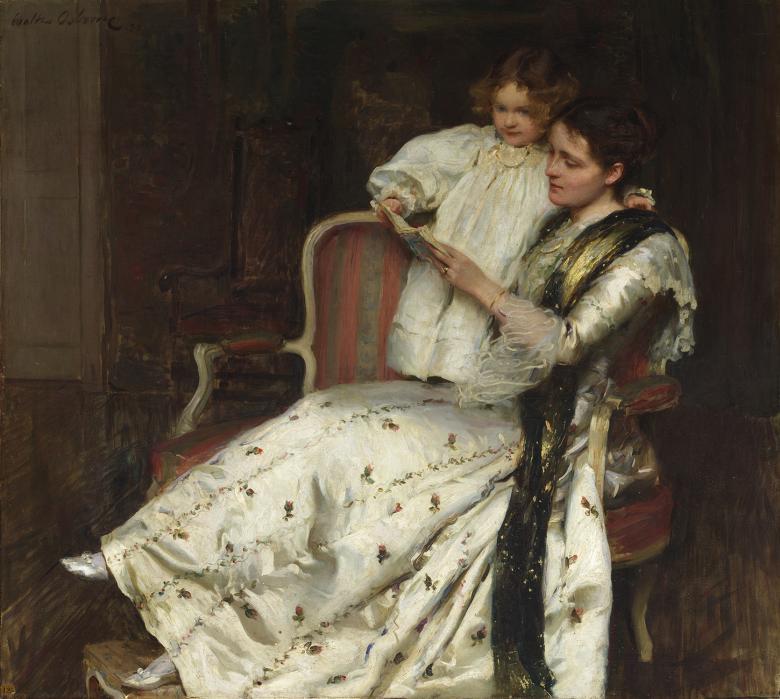
- In 1898, Walter Frederick Osborne painted Mary Guinness and her daughter Margaret, now in the National Gallery of Ireland. The family sat for countless portraits, now scattered across galleries in Dublin and London.
- Oonagh Guinness (born 1910), one of the “Golden Guinness Girls,” was a prominent socialite, hostess, and art collector. She maintained Luggala (her estate) as a hub for Irish intelligentsia, artists, poets, and guests from across arts and culture.
But it didn’t stop there.
From salons to soundtracks: 20th-century Guinness patrons
The Guinnesses’ cultural spark carried forward through the 20th century:
- Desmond Guinness co-founded the Irish Georgian Society, a vital force in preserving Ireland’s architectural heritage.
- Garech Browne, grandson of Oonagh (and heir to some Guinness lines), was a well-known art and music patron. He supported traditional Irish music (through his record label Claddagh Records) and hosted creative gatherings at his estate. He was a friend and patron of painter Francis Bacon, among others.
The Guinness name had become shorthand not just for stout, but for supporting cultural spaces where art, music, and literature could thrive.
Daphne Guinness: couture as cultural art
Fast-forward to today, and the Guinness artistic legacy feels alive but transformed. Enter Daphne Guinness, heiress, musician, and one of the world’s most iconic patrons of fashion.
Known for her avant-garde style, towering heels, and close friendships with Alexander McQueen and Isabella Blow, Daphne embodies the Guinness tradition of championing artistry, only now through haute couture. She collects, commissions, and wears clothing as if it were performance art, blurring the lines between fashion, sculpture, and self-expression.
Her wardrobe combines from Chanel gowns to McQueen masterpieces and has been exhibited in major museums, making her not just a muse but also a curator of fashion history in motion.
In a way, Daphne Guinness is doing what her ancestors did with cathedrals and paintings: elevating creative genius, protecting its legacy, and keeping it public. Only now, the canvas is couture.
From Vermeer to your canvas
So, did the Guinness family support the arts? Absolutely. From restoring cathedrals to collecting Rembrandts, from curating music to shaping fashion history, the Guinnesses showed that art in all its forms deserves patrons.
The Guinness family collected Vermeer. You can paint your own.
Kiki’s Club turns the art into something personal, playful, and for everyone. Whether it’s one of our custom portrait kits (because why shouldn’t your face be gallery-worthy?) or a beginner-friendly kit designed for mindful weekends, you’re stepping into the same story: supporting creativity and making art part of your everyday life.
🌱 Explore Beginner-Friendly Kits →
Because art isn’t just for galleries. With a brush in your hand, it’s yours.